Shopping Bag
Popular Suggestions


Stroke Care
Stroke Care Management

A stroke is a medical emergency that occurs when the blood supply to a part of the brain is interrupted or reduced. Without proper blood flow, brain cells can begin to die within minutes. Early diagnosis and timely treatment are essential to reduce brain damage and improve recovery.
Our Stroke Care services focus on rapid evaluation, accurate diagnosis, treatment, and long-term rehabilitation to help patients regain their independence and quality of life.
What is a Stroke?
A stroke happens when the brain does not receive enough oxygen and nutrients due to a blocked or ruptured blood vessel. Depending on the affected area of the brain, a stroke can impact movement, speech, memory, vision, and other important functions.
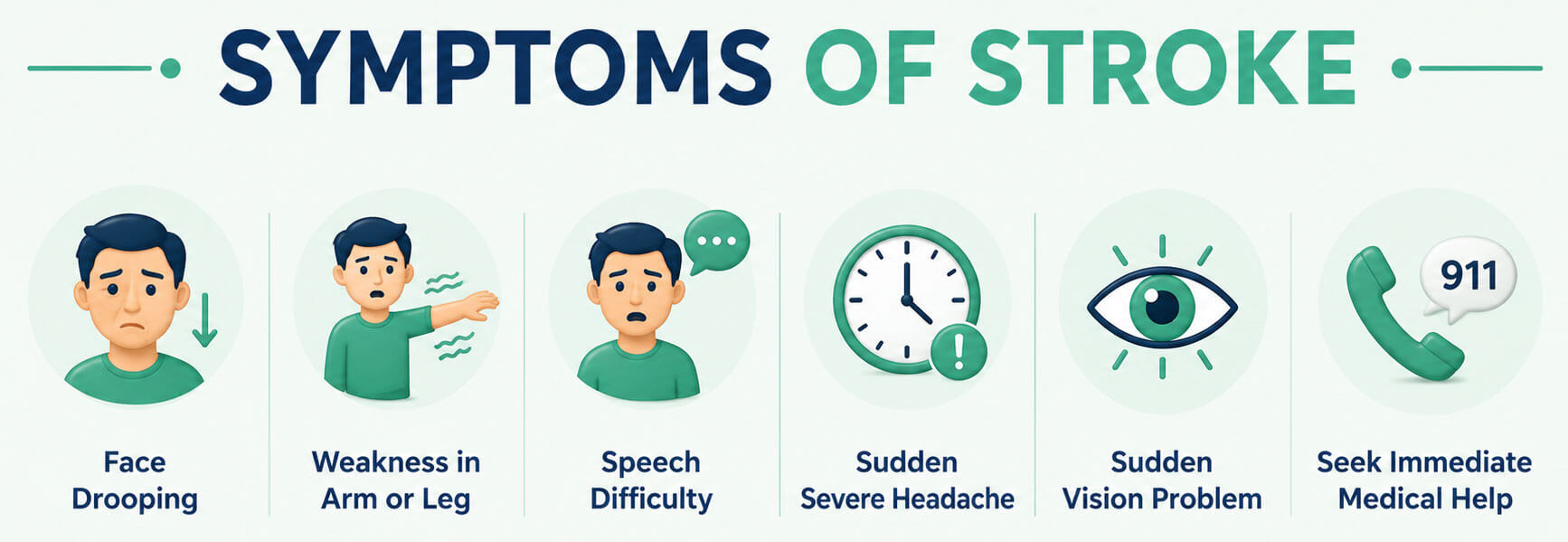
Common Symptoms of Stroke
Seek immediate medical attention if you notice:
 Sudden weakness or numbness on one side of the body
- Difficulty speaking or understanding speech
- Sudden loss of vision in one or both eyes
- Severe headache with no known cause
- Dizziness, loss of balance, or difficulty walking
- Facial drooping
- Confusion or altered consciousness
Types of Stroke
Seek immediate medical attention if you notice:
Ischemic Stroke
The most common type of stroke caused by a blockage in a blood vessel supplying the brain.
Hemorrhagic Stroke
Occurs when a blood vessel in the brain ruptures, leading to bleeding within or around the brain.
Transient Ischemic Attack (TIA)
Often called a "mini-stroke," TIA causes temporary symptoms and serves as an important warning sign for a future stroke.
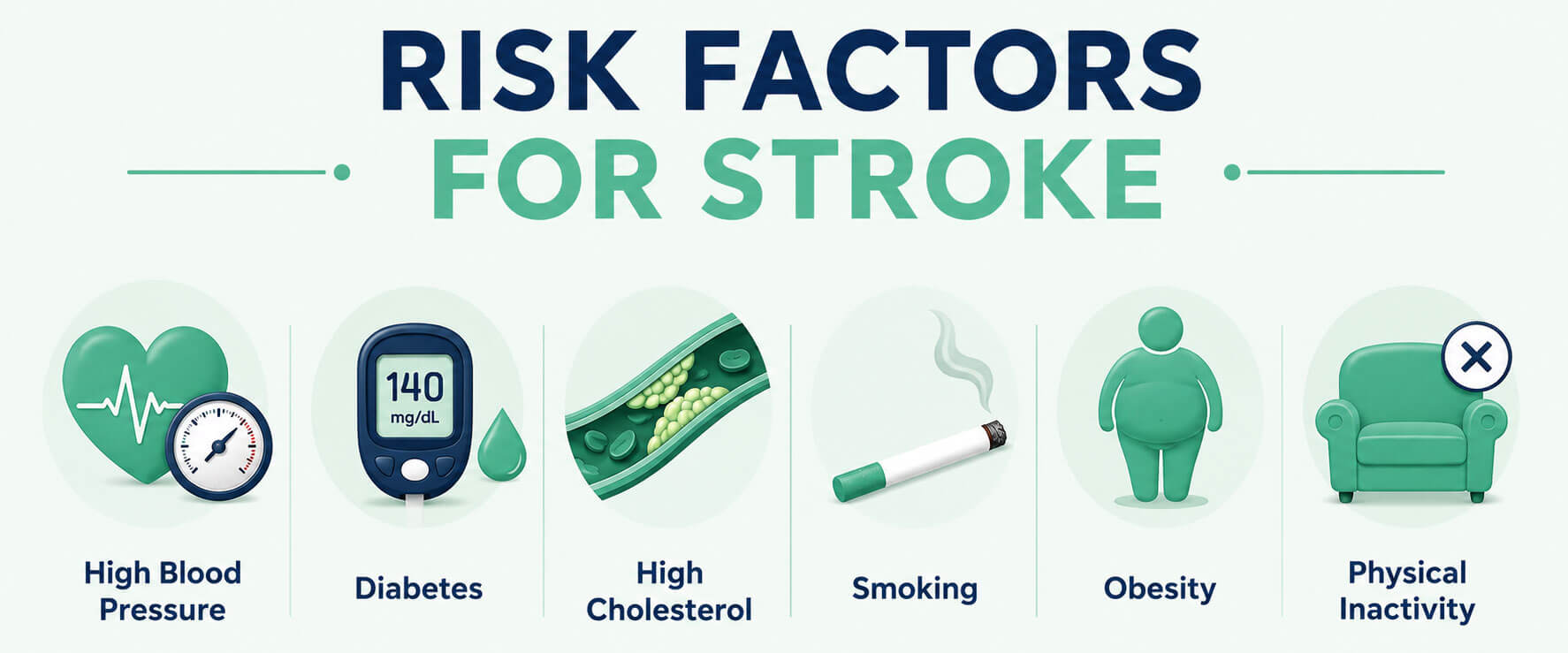
Risk Factors for Stroke
Several factors can increase the risk of stroke, including:
- High blood pressure
- Diabetes
- High cholesterol
- Smoking
- Obesity
- Heart disease
- Excessive alcohol consumption
- Lack of physical activity
- Family history of stroke
Our Stroke Care Services
We provide comprehensive stroke management, including:
- Stroke risk assessment and prevention
- Emergency stroke evaluation
- Neurological examination
- Brain imaging interpretation
- Medication management
- Secondary stroke prevention
- Rehabilitation guidance
- Long-term follow-up care
- Lifestyle modification counseling
Stroke Recovery and Rehabilitation
Recovery after a stroke varies from person to person. Rehabilitation plays a crucial role in restoring function and improving quality of life. Treatment plans may include:
- Physical therapy
- Speech and language therapy
- Occupational therapy
- Balance and mobility training
- Cognitive rehabilitation
- Emotional and psychological support
Why Choose Us
- Experienced neurological care
- Personalized treatment plans
- Focus on early diagnosis and prevention
- Comprehensive recovery support
- Patient-centered approach
- Long-term follow-up and monitoring
Frequently Asked Questions (FAQs)
Book a Stroke Care Consultation
If you or a loved one is experiencing symptoms of stroke or requires ongoing stroke management, schedule a consultation today. Early diagnosis and expert care can make a significant difference in recovery and long-term health.