Shopping Bag
Popular Suggestions


Epilepsy Treatment
Epilepsy Treatment

Epilepsy is a neurological condition that causes recurring seizures due to abnormal electrical activity in the brain. Seizures can vary from brief moments of staring to severe convulsions and loss of consciousness. Early diagnosis and proper treatment play a vital role in controlling seizures and improving quality of life.
Our Epilepsy Treatment services focus on accurate diagnosis, personalized treatment plans, seizure management, and long-term neurological care to help patients lead safe, healthy, and active lives.
What is Epilepsy?
Epilepsy is a chronic neurological disorder characterized by repeated, unprovoked seizures. A seizure occurs when there is a sudden disturbance in the brain's electrical activity. Epilepsy can affect people of all ages and may develop due to genetic factors, brain injuries, infections, stroke, or other neurological conditions.
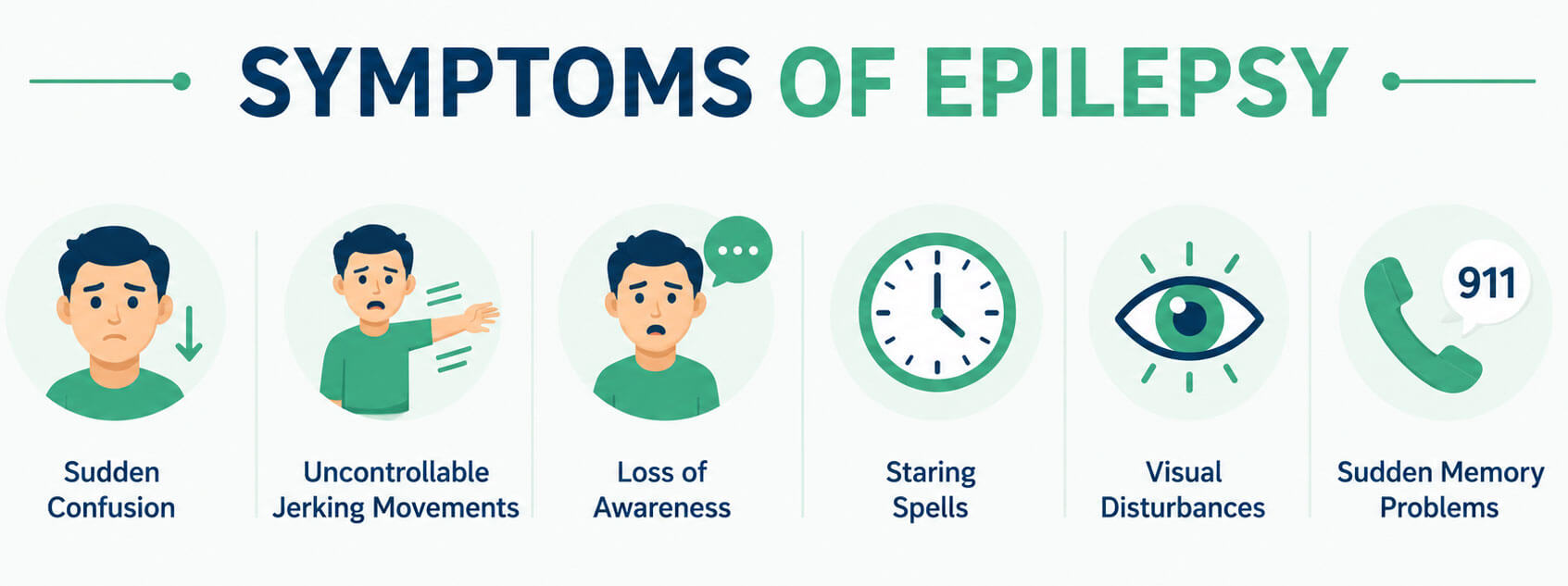
Common Symptoms of Epilepsy
Seek medical evaluation if you experience:
 Sudden loss of consciousness
- Uncontrolled jerking movements of the arms or legs
- Temporary confusion or disorientation
- Staring spells
- Sudden fear, anxiety, or unusual sensations
- Loss of awareness of surroundings
- Muscle stiffness or rigidity
- Unexplained falls or blackouts
Types of Epilepsy Seizures
Focal Seizures
These seizures begin in one specific area of the brain and may affect movement, sensation, emotions, or awareness.
Generalized Seizures
These involve both sides of the brain and can cause loss of consciousness, muscle stiffness, or full-body convulsions.
Absence Seizures
Commonly seen in children, these seizures cause brief staring episodes and temporary loss of awareness.
Tonic-Clonic Seizures
A severe seizure type characterized by muscle stiffening followed by rhythmic jerking movements.
Causes and Risk Factors
Several factors may increase the risk of epilepsy, including:
- Head injury or brain trauma
- Stroke
- Brain infections such as meningitis
- Genetic predisposition
- Brain tumors
- Developmental disorders
- Birth-related brain injuries
- Family history of epilepsy
Our Epilepsy Treatment Services
We offer comprehensive epilepsy diagnosis and management, including:
- Detailed neurological assessment
- Seizure evaluation and diagnosis
- EEG (Electroencephalogram) testing
- MRI and brain imaging review
- Anti-seizure medication management
- Long-term seizure monitoring
- Lifestyle and trigger management
- Patient and family counseling
- Regular follow-up and preventive care
Managing Epilepsy for a Better Life
Most people with epilepsy can successfully control their seizures with proper treatment and regular follow-up. Adhering to prescribed medications, maintaining healthy sleep patterns, reducing stress, and avoiding known seizure triggers can significantly improve seizure control and overall well-being.
Why Choose Us
- Experienced Neurology Specialist
- Personalized Treatment Plans
- Advanced Diagnostic Evaluation
- Comprehensive Seizure Management
- Patient-Centered Care
- Long-Term Follow-Up and Support
- Focus on Improving Quality of Life
- Evidence-Based Treatment Approach
Frequently Asked Questions (FAQs)
Book an Epilepsy Consultation
If you or a loved one experiences seizures, unexplained blackouts, or symptoms of epilepsy, schedule a consultation today. Early diagnosis and expert neurological care can help control seizures and improve long-term quality of life.